After a long day in the UK, the sensation of heavy legs and persistent swelling can quickly spoil your comfort. Faced with this problem, choosing effectively between manual massage and pressotherapy becomes essential to regain lightness and energy at home. This article helps you understand the fundamental differences, so you can find the solution suited to your lifestyle and your recovery needs.
Key takeaways
- Pressotherapy is a mechanical method: inflatable boots apply intermittent, sequential compression from feet to thighs to stimulate venous and lymphatic circulation, with predictable, repeatable results at home.
- Manual massage relies on a therapist's hands and expertise, offering personalised, real-time adjustment and a strong relaxing, anti-stress benefit through human contact.
- For rapid recovery, reduced swelling and heavy-leg relief without appointments, at-home pressotherapy is the most convenient and regular choice; a session lasts roughly 20-30 minutes.
- Both methods have contraindications (such as thrombosis, infections or severe heart failure) - consult your doctor before starting, and consider combining the two for circulation plus emotional wellbeing.
Definitions and principles of both methods
To choose the right solution for your legs, you must first understand how these two very different approaches work.
Manual massage: the tactile method
Manual massage is an ancient practice that uses a therapist's hands, fingers and forearms to apply direct pressure to your muscles and tissues. This technique relies entirely on the expertise and experience of the person massaging you.
Different types of movements characterise manual massage:
-
Effleurage (light, continuous gliding movements)
-
Petrissage (deep kneading movements)
-
Friction (circular movements applied to specific points)
-
Tapotement (rapid, rhythmic movements)
Manual massage improves blood circulation through the therapist's expert touch. It creates direct human interaction, which can also have a positive relaxing and psychological impact.
Pressotherapy: automated technology
Pressotherapy works completely differently. According to the differences between massage and pressotherapy, this method is mechanical and uses specific devices that apply intermittent pressure via inflatable boots or sleeves.
Here's how the system works:
-
Independent air chambers inflate and deflate progressively
-
Pressure rises from the feet towards the thighs sequentially
-
The cycle repeats automatically according to the parameters you set
-
You control the intensity, duration and massage programmes
Pressotherapy optimises lymphatic drainage and blood circulation in a regular and predictable way, without variation according to the practitioner's skills.
Fundamental principles: two different worlds
Manual massage is based on:
-
The therapist's expertise and sensitivity
-
Real-time adaptation to your reactions
-
Interpersonal relationship and emotional comfort
-
Natural variability depending on the practitioner and how you feel on the day
Pressotherapy is based on:
-
Automation and mechanical precision
-
Repeatability of compression cycles
-
Absence of human variability
-
Accessibility at home, without appointments with a practitioner
Pro tip: Before choosing, try both methods if possible, as your preference will depend on your lifestyle, your budget and your personal recovery goals.
Here's a summary overview of the differences in experience between the two methods:
| Key aspect | Manual massage | Pressotherapy |
| Personalisation | Immediate adjustment according to feel | Pre-programmed parameters on the device |
| Human interaction | Present, empathetic and comforting | Absent, autonomous use at home |
| Sound level | Calm, quiet ambiance | Mechanical compressor noise |
| Mental relaxation | Optimal thanks to human contact | Mechanical, depends on the user |
How it works, devices and session procedure
Understanding how a session unfolds helps you know exactly what to expect, whether it's pressotherapy or manual massage.
Manual massage: the detailed procedure
A manual massage session begins with a consultation. The therapist asks you questions about your symptoms, pain and medical history.
Typical procedure:
-
Installation in a calm and comfortable room
-
Partial undressing depending on the areas to be treated
-
Application of massage oil or cream
-
Use of different techniques (effleurage, petrissage, friction)
-
Real-time adjustment according to your comfort
-
5 to 10 minutes rest after the session
Duration generally varies between 30 and 60 minutes depending on your specific needs. The therapist adapts their pressure and movements to your tolerance and sensations.

Pressotherapy: technology in action
A pressotherapy session lasts approximately 20 to 30 minutes, during which you remain lying down and clothed. The practitioner installs inflatable boots or sleeves connected to an automatic compressor.
Here's the standard procedure:
-
Installation lying down on a bed or comfortable chair
-
Placement of boots or sleeves on your legs
-
Connection of equipment to the compressor
-
Programming of cycles according to your needs
-
Automatic activation of the compression-decompression cycle
-
Relaxation time throughout the duration
Pressure rises progressively from the feet towards the thighs sequentially, which stimulates your venous and lymphatic circulation without any effort on your part.
Devices used
For manual massage:
-
Therapist's hands and fingers
-
Massage oils or creams
-
Sometimes specialist tools (rollers, massage balls)
-
A comfortable table or bed
For pressotherapy:
-
Inflatable boots (cover feet and legs)
-
Sleeves (cover calves or arms)
-
Compressor connected to the equipment
-
Control panel to adjust intensity and duration
Pro tip: Wear comfortable, loose-fitting clothing on the day of your session, as you'll remain dressed during pressotherapy, unlike manual massage which requires partial undressing.
Effects on circulation and recovery
The benefits for your legs go far beyond the simple sensation of relief. Understanding how each method affects your body helps you choose the best solution.

Pressotherapy: drainage and accelerated recovery
Pressotherapy acts like mechanical draining massage. Intermittent compression cycles stimulate your venous and lymphatic circulation, which promotes blood return to the heart.
Direct effects on your legs:
-
Reduction of swelling and puffiness
-
Elimination of fluid stagnation responsible for heaviness
-
Visible improvement in appearance and skin firmness
-
Relief from sensations of tiredness and heavy legs
For active women, pressotherapy accelerates muscle recovery by helping to eliminate toxins such as lactic acid. After exercise, your muscles regenerate more quickly, reducing soreness and post-session pain.
Pressotherapy simulates professional lymphatic drainage at home, without tiring your therapist and with perfect regularity at every session.
Manual massage: targeted circulation and deep relaxation
Manual massage improves blood circulation through direct and specific movements. The therapist can adapt their technique precisely where you need it.
Benefits of manual massage:
-
Better oxygenation of muscle tissue
-
Progressive and deep muscle relaxation
-
Sensory stimulation and mental relaxation
-
Anti-stress effect beneficial for your nervous system
-
Improved flexibility and mobility
The human contact of massage also creates important psychological benefits. You get a true wellbeing break, not just physiological treatment.
Long-term results
With regular pressotherapy, you'll observe:
-
Progressive disappearance of heavy leg sensations
-
Lasting reduction of swelling and water retention
-
Better daily circulation, even between sessions
-
Faster recovery after physical activity
Manual massage creates continuous improvements provided sessions are regular. Effects accumulate over several weeks of treatment.
Pro tip: To maximise results, alternate pressotherapy and manual massage according to your schedule, or choose at-home pressotherapy for the guaranteed regularity that monthly massage cannot offer.
This table compares the types of benefits obtained by each method:
| Main benefit | Pressotherapy | Manual massage |
| Lymphatic drainage | Very effective, automatic | Possible, depending on technique used |
| Emotional relief | Limited, secondary effect | Strong, increased psychological wellbeing |
| Anti-stress effect | Not marked, depends on context | Powerful, deep relaxation |
| Improved flexibility | Weak, indirect action | Direct, muscle mobilisation |
Risks, contraindications and points of vigilance
Before starting pressotherapy or manual massage, you must know the situations where these methods are not suited to your health.
Contraindications for pressotherapy
Pressotherapy is generally safe, but certain medical conditions completely prohibit it. Contraindications include deep vein thrombosis, active infections and severe heart failure.
Do not use pressotherapy if you have:
-
Venous thrombosis or blood clots
-
Acute inflammation of legs or skin
-
Active skin infection or open wounds
-
Severe heart or kidney failure
-
Serious coagulation disorders
-
Lymphangitis or severe undiagnosed lymphoedema
Situations requiring particular vigilance:
Some people can use pressotherapy, but only under medical supervision. This is the case with vascular history, known circulatory fragility or chronic pathologies.
Risks of manual massage
Manual massage presents fewer absolute contraindications, but certain situations require caution.
Avoid massage if you have:
-
Open wounds or recent burns
-
Skin infection or severe dermatitis
-
Very pronounced varicose veins or thrombosis
-
Fever or active systemic infection
-
Undiagnosed acute pain
A professional therapist must always adapt their technique according to your state of health and your medical history, even for manual massage.
Essential recommendations
Whatever your choice, respect these principles:
-
Consult your doctor before starting, especially if you have vascular history
-
Always inform the practitioner of your current health problems
-
Report any abnormal pain immediately during the session
-
Never force too high an intensity, even if it seems effective
-
Respect rest periods between sessions
At-home pressotherapy allows you to better respect these precautions since you fully control the intensity. You're never constrained by a practitioner's choices.
Pro tip: If you have doubts about your eligibility for either method, ask for written medical advice before starting, especially if you have a history of circulatory problems or hypertension.
How to choose according to needs and situations
The choice between pressotherapy and manual massage depends entirely on your daily life, your goals and your practical constraints.
If you're seeking rapid recovery
You have an active life, you exercise regularly or you work standing all day. Pressotherapy stands out as the best choice for you.
Reasons:
-
Accelerated muscle recovery after exercise
-
Rapid elimination of lactic acid and toxins
-
Use at home, without appointments
-
Predictable and reproducible results
-
Perfect for athletes or very active women
Pressotherapy offers regularity that monthly massage can never guarantee. You can use it after every activity session to optimise your recovery.
If you prioritise mental and emotional wellbeing
You're looking for a true break, a moment of deep relaxation and human connection. Manual massage perfectly matches your needs.
Reasons:
-
Psychological relaxation and stress reduction
-
Kind human contact and emotional support
-
Personalised adaptation in real time
-
Treatment of specific areas according to your pain
-
Holistic and soothing experience
Massage creates a true wellbeing break that the machine cannot reproduce, even if technically high-performing.
According to your schedule
You have little available time:
Choose at-home pressotherapy. Twenty to thirty minutes in the evening, without travel, without appointments. You easily integrate treatment into your routine.
You can free yourself regularly:
Manual massage requires fixed appointments, but that's precisely what forces you to dedicate personal time to yourself. It becomes a precious care ritual.
Quick comparison table
| Criterion | Pressotherapy | Manual massage |
| Accessibility | At home, 24/7 | Appointments necessary |
| Monthly cost | One-off initial investment | Regular session costs |
| Adaptability | Programmed, regular | Bespoke, flexible |
| Emotional wellbeing | Mechanical relaxation | Deep human connection |
| Sports recovery | Excellent | Good |
| Session duration | 20-30 minutes | 30-60 minutes |
The ideal solution: combining both
The wisest women combine both approaches. They use pressotherapy regularly for daily recovery, and add monthly massages for overall wellbeing.
This combination offers:
-
Maximum effectiveness for circulation
-
Complete psychological benefits
-
Flexibility and adaptation
-
Complete prevention of circulatory problems
Your choice doesn't have to be final. Test first, observe how your body responds, then adjust according to your real results and sensations.
Pro tip: Start by trying pressotherapy for two weeks at home to check that you tolerate it well, then decide whether to add it to your regular care or whether you prefer to invest in monthly massages.
Discover at-home pressotherapy with Restex Recovery
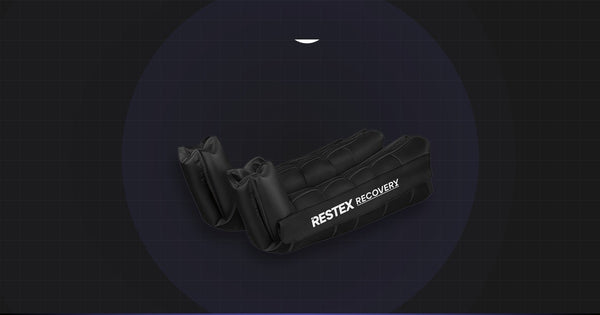
The sensations of heavy legs, swelling and muscle tiredness are challenges that many people face daily, as detailed in our article "Pressotherapy versus manual massage: what benefits for your legs". If you're looking to improve your blood circulation whilst benefiting from rapid and effortless recovery, pressotherapy is an essential solution. At Restex Recovery, we provide professional pressotherapy boots designed to stimulate venous and lymphatic circulation through progressive and adjustable compression.

Opt for accessible technology at home and transform your wellbeing routine with our recovery boots. Thanks to their multiple air chambers and customisable programmes, they effectively relieve water retention and accelerate muscle recovery after exercise. Don't wait any longer to experience all the benefits of professional-quality pressotherapy. Visit our Restex Recovery (OptiFlow technology) website today and discover how to integrate this innovation into your daily life for light legs all year round. To find out more and make the right choice, also read our article on the difference between massage and pressotherapy as well as the information on how pressotherapy sessions work. Treat yourself to comfort and performance in the service of your health right now.
To go further:
- At-home or clinic pressotherapy: how to choose?
- Lymphatic drainage at home: complete guide
- Mechanical lymphatic massage: complete guide
Frequently Asked Questions
What is the main difference between pressotherapy and manual massage?
Pressotherapy uses mechanical devices that apply intermittent pressure to the legs, whilst manual massage is performed by a therapist who uses their hands to manipulate muscles and tissues.
What are the benefits of pressotherapy for legs?
Pressotherapy promotes lymphatic drainage, reduces swelling, improves blood circulation and aids muscle recovery after exercise, offering predictable and regular results.
Can manual massage improve my blood circulation?
Yes, manual massage allows better blood circulation through direct movements on the muscles, by stimulating tissue oxygenation and offering deep relaxation.
What are the contraindications for pressotherapy?
Contraindications include deep vein thrombosis, active infections, severe heart failure and other circulatory problems. It is recommended to consult a doctor before starting this type of treatment.
The at-home solution
Restex Recovery Boots
Professional lymphatic drainage at home, without appointments. OptiFlow technology with 6 overlapping air chambers, 6 programmes, quiet (<40 dB), wireless with 2 to 4 h battery life. CE/ISO/ROHS certified, 2-year warranty.

Bottes Restex Recovery.
Les techniques décrites dans cet article — 6 chambres chevauchantes, compression séquentielle, 30 minutes depuis votre canapé.
Discover the boots