Lymphatic drainage is often perceived as an exclusively manual technique reserved for specialist clinics. This restrictive view ignores a major technological revolution: mechanical lymphatic massage. This innovative method offers a powerful and accessible alternative for combating water retention and relieving swollen legs, with measurable results and unparalleled practicality for regular home use.
Key takeaways
- Mechanical lymphatic massage reproduces manual drainage with standardised, reproducible pressure, making regular home use practical and consistent.
- The two leading technologies are LPG endermology (motorised rollers with suction) and pressotherapy (sequential pneumatic compression), each suited to different goals.
- Pressotherapy is the accessible home option: it targets swelling and heavy legs, while endermology focuses on cellulite and skin firmness.
- Best results come from regular sessions of 20-30 minutes, with contraindications (thrombosis, infection, cancer, pregnancy) requiring medical advice first.
What is mechanical lymphatic massage?
Mechanical lymphatic massage represents a technological evolution of traditional manual lymphatic drainage. This method uses specialised devices that reproduce and amplify therapeutic movements through controlled pressure and suction systems. Unlike manual massage which depends entirely on the practitioner's expertise, mechanical devices deliver lymphatic stimulation that is standardised and reproducible.
The principle relies on applying alternating rhythmic pressures that mimic the natural kneading of tissues. These devices generate compression and decompression cycles that mobilise stagnant lymph towards the lymph nodes. Lymph, this transparent fluid loaded with toxins and cellular waste, then circulates more efficiently through the lymphatic network. This mechanical stimulation promotes the elimination of excess fluids responsible for swelling and the sensation of heavy legs.
The mechanical devices use rhythmic pressure and suction to activate lymphatic circulation and reduce swelling. This mechanical action presents several distinct advantages: consistent intensity, programmable duration, precisely targeted zones. Sessions can be repeated frequently without practitioner fatigue, offering optimal therapeutic regularity.
Pro tip: To maximise the effectiveness of mechanical drainage, hydrate abundantly before and after each session. Water facilitates lymphatic circulation and the elimination of toxins mobilised during treatment.
The main types of devices include:
- Pressotherapy systems with multi-chamber pneumatic boots
- Endermology devices with motorised rollers and suction
- Portable percussion devices for localised zones
- Vibrating platforms stimulating overall circulation
The main techniques: LPG endermology and pressotherapy
Two technologies dominate the mechanical lymphatic massage market: LPG endermology and pressotherapy. Each presents specific characteristics suited to different therapeutic and aesthetic objectives.
LPG endermology uses motorised rollers combined with controlled suction to mobilise skin tissues in depth. This patented technique creates a dynamic skin fold that mechanically stimulates fibroblasts, the cells responsible for collagen and elastin production. LPG endermology demonstrates a drainage effect three times faster than traditional manual drainage. Treatment heads adapt to different body zones with personalised programmes according to the desired objective.

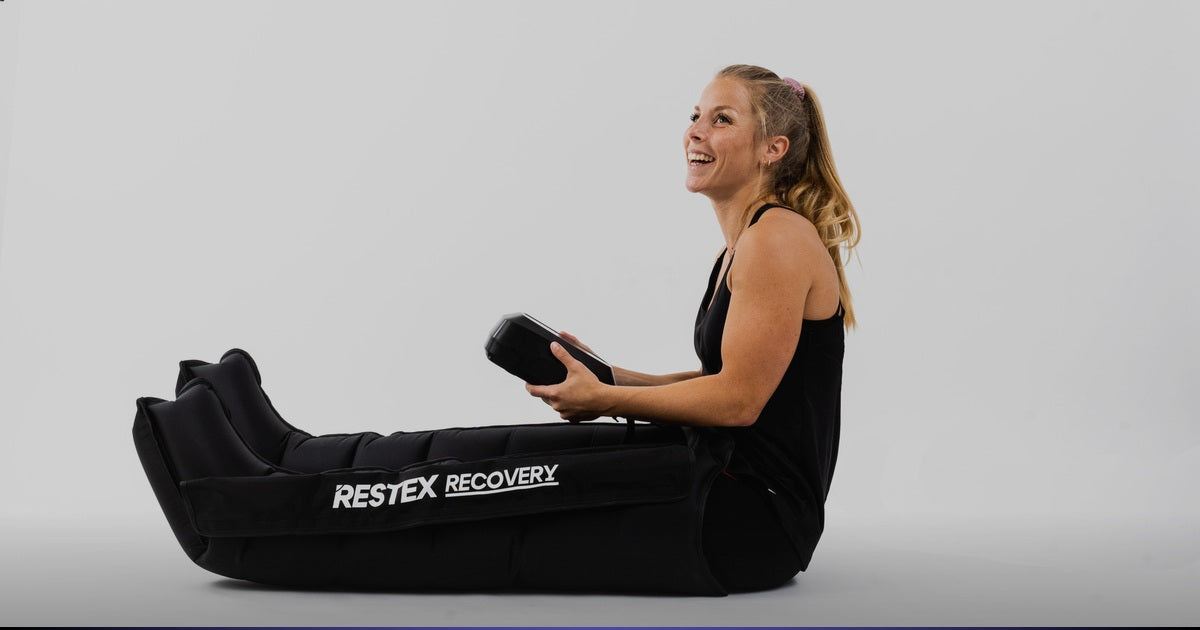
Pressotherapy works differently by applying sequential compressions via pneumatic sleeves. Pressotherapy mimics manual drainage by applying controlled pressure to stimulate circulation and reduce swelling. The air chambers inflate progressively from feet to thighs, creating an upward pressure wave that pushes lymph towards the central venous system. This mechanical action faithfully reproduces the physiological direction of lymphatic circulation to relieve heavy legs.
| Criterion | LPG Endermology | Pressotherapy |
|---|---|---|
| Mechanism | Motorised rollers with suction | Sequential pneumatic compression |
| Targeted zones | Thighs, buttocks, stomach, arms | Complete legs, sometimes arms |
| Session duration | 35 to 45 minutes | 20 to 30 minutes |
| Cellulite results | Visible reduction after 8 to 12 sessions | Moderate improvement, dominant drainage effect |
| Home use | Requires expensive professional device | Accessible home devices |
The specific benefits vary according to the chosen technique. Endermology excels in improving skin firmness and reducing established cellulite. Pressotherapy stands out for its immediate effectiveness on swelling and the sensation of heavy legs. To discover all the applications of pressotherapy, consult specialised guides detailing protocols and indications.
Pro tip: If you mainly suffer from water retention and swollen legs, choose pressotherapy for rapid results. To simultaneously treat cellulite and skin laxity, LPG endermology offers a more comprehensive approach.
Both methods can be combined in a comprehensive therapeutic protocol. Some centres offer alternating sessions to benefit from the complementary advantages of each technology.
The effects of mechanical lymphatic massage on health and silhouette
The benefits of mechanical lymphatic massage extend well beyond simple comfort. Recent clinical studies document measurable improvements across several physiological and aesthetic parameters.

The impact on skin quality constitutes a major benefit. 92% of users notice an improvement in skin firmness and 93% observe a reduction in cellulite after 12 LPG sessions. This transformation results from mechanical stimulation of fibroblasts which increase their production of support fibres. The skin progressively recovers its natural elasticity and tone.
Objective measurements confirm effectiveness on body volumes. Pressotherapy can reduce leg circumference by 1.5 cm and decrease swelling by 40% after several sessions. These results are explained by the efficient evacuation of interstitial fluids accumulated in tissues. The silhouette visibly refines, particularly around the ankles and calves.
| Measured benefit | Observed result | Number of sessions |
|---|---|---|
| Skin firmness | Improvement in 92% of users | 12 LPG sessions |
| Cellulite reduction | Visible decrease in 93% of cases | 12 LPG sessions |
| Leg circumference | Average reduction of 1.5 cm | 8 to 10 pressotherapy sessions |
| Swelling | 40% decrease | 6 to 8 pressotherapy sessions |
The sensation of heavy and swollen legs improves rapidly, often from the first sessions. Women who spend long hours standing or sitting testify to significant relief. Mechanical drainage restores optimal lymphatic circulation, reducing fluid stagnation responsible for discomfort. To sustainably relieve swollen legs, a regular protocol proves essential.
Complementary effects include better muscle recovery after physical exercise. Female athletes particularly appreciate this dimension which accelerates lactic acid elimination and reduces muscle soreness. Overall wellbeing also improves thanks to systemic detoxification promoted by lymphatic activation.
Pro tip: Photograph your legs before starting a mechanical drainage protocol. These reference images will allow you to objectively observe the progress made after 8 to 12 sessions.
"Mechanical lymphatic massage genuinely transforms the quality of life for people suffering from chronic water retention. Patients report not only a visible aesthetic improvement, but above all restored daily comfort."
The benefits establish progressively and require regularity in sessions. Optimal results generally appear after 2 to 3 months of continued treatment.
How to use mechanical lymphatic massage at home in 2026
Home use of mechanical lymphatic massage democratises access to this therapeutic technology. Consumer devices now offer performance comparable to professional equipment.
Choosing a suitable device constitutes the first crucial step. Favour certified devices with several compression chambers for progressive action. Models with customisable intensity settings allow treatment to be adapted to your sensitivity. Check for the presence of pre-recorded programmes specific to lymphatic drainage at home to simplify use.
The optimal usage protocol follows these steps:
- Settle comfortably in a reclined or semi-reclined position
- Put on the compression boots, checking proper positioning of the chambers
- Select the programme suited to your therapeutic objective
- Start with moderate intensity during the first sessions
- Progressively increase pressure according to your tolerance
- Respect the recommended duration without exceeding 30 minutes per session
- Hydrate abundantly after treatment
The optimal frequency varies according to the desired objective. For preventive drainage and maintaining circulatory comfort, 2 to 3 weekly sessions suffice. In the intensive phase of reducing significant swelling, daily sessions can be considered for 2 to 3 weeks. The effectiveness of mechanical drainage depends on the device, technique and patient selection.
Essential precautions guarantee safe use. Avoid mechanical lymphatic massage in cases of venous thrombosis, active skin infection, progressing cancer or pregnancy. Certain medical conditions require medical consultation before pressotherapy to avoid risks. People suffering from heart or kidney failure must imperatively obtain medical approval before any treatment.
Pro tip: Schedule your sessions at the end of the day to maximise relief of tired legs. The relaxing effect also promotes better restorative sleep.
The importance of medical monitoring must never be neglected. A preliminary vascular assessment allows identification of potential contraindications. Your doctor can also guide you towards the settings and frequencies most appropriate to your specific clinical situation.
Discover recovery and drainage solutions for your legs
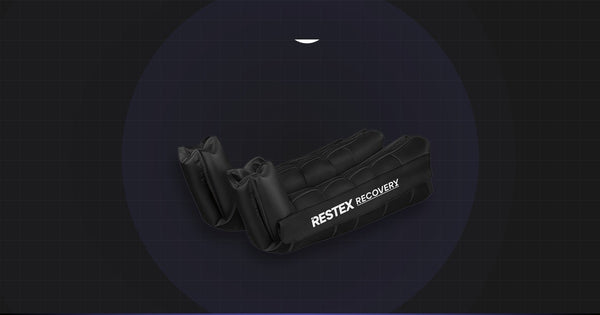
Restex Recovery (OptiFlow technology) offers a comprehensive range of professional equipment to optimise your lymphatic drainage at home. The pneumatic compression boots integrate advanced pressotherapy technology with multiple chambers and customisable programmes. These devices faithfully reproduce clinical protocols for validated therapeutic results.
The sequential compression system covers the entirety of the lower limbs, from feet to thighs. You precisely control the intensity, duration and massage mode according to your specific needs. To deepen your understanding and maximise benefits, consult the comprehensive recovery guide detailing optimal usage protocols.
The range is also enriched with the Restex Relief massage gun to target specific zones with therapeutic percussion. This complementary approach improves local microcirculation and relaxes tense muscular tissues.
To go further:
- Lymphatic drainage at home: comprehensive guide
- Pressotherapy vs manual massage: comparison
- Pressotherapy at home or centre: how to choose?
What are the frequently asked questions about mechanical lymphatic massage?
What is the difference between mechanical and manual drainage?
Mechanical drainage uses devices delivering standardised and reproducible pressure, whilst manual drainage depends on the practitioner's expertise. The mechanical method produces results up to three times faster with consistent intensity impossible to maintain manually. Both approaches remain complementary according to the therapeutic objectives sought.
What is the ideal duration and frequency of sessions?
A pressotherapy session generally lasts 20 to 30 minutes, whilst endermology requires 35 to 45 minutes. For optimal results, plan 2 to 3 weekly sessions for 8 to 12 weeks. In the maintenance phase, one to two weekly sessions suffice to maintain acquired benefits.
Are there any risks or contraindications?
Absolute contraindications include deep vein thrombosis, active skin infections, progressing cancers and pregnancy. People suffering from heart failure, kidney failure or uncontrolled hypertension must obtain prior medical advice. Always respect the manufacturer's recommendations regarding maximum intensity and duration.
Can you perform mechanical lymphatic massage yourself at home?
Yes, modern home devices allow safe autonomous use with pre-recorded programmes. Carefully follow the manufacturer's instructions and start with moderate intensities. Initial training by a healthcare professional optimises results and guarantees appropriate technique.
What results to expect and how long do the effects last?
The first effects on heavy legs appear from the first sessions. The visible reduction of cellulite and swelling requires 8 to 12 regular sessions. Benefits are maintained with weekly maintenance sessions, otherwise symptoms progressively reappear after 3 to 4 weeks of complete cessation.

Bottes Restex Recovery.
Les techniques décrites dans cet article — 6 chambres chevauchantes, compression séquentielle, 30 minutes depuis votre canapé.
Discover the boots