TL;DR:
Key takeaways
- Sleep (7 to 9h), post-workout nutrition and hydration are the three foundations of muscle recovery — no gadget replaces them.
- Active recovery, foam rolling and massage reduce soreness and inflammation; stretching has a negligible effect on DOMS.
- Respect 24 to 96h of rest depending on the effort to avoid overtraining and keep progressing.
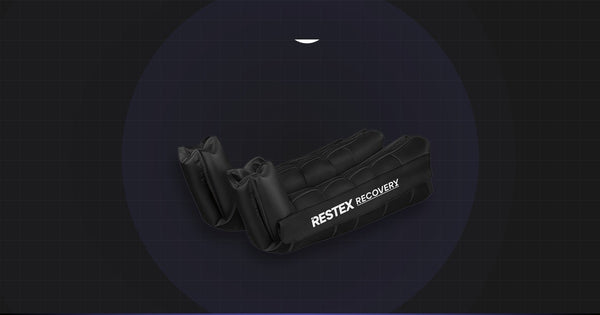
- Add mechanical tools such as the Restex Recovery pressotherapy boots (6 overlapping OptiFlow chambers, 6 programmes, CE/ISO/ROHS, 2-year warranty) once the basics are dialled in.
- Recovery rests mainly on sleep, nutrition and hydration.
- Active recovery and massage are effective at reducing soreness and inflammation.
- Prioritising these basics prevents overtraining and optimises progress.
Recovery is the most neglected part of amateur training. Yet it is during the rest phases that your muscles truly rebuild. A majority of amateur athletes overestimate the usefulness of stretching and underestimate the trio of sleep, nutrition and hydration. The result: progress that stalls, injuries that pile up, and chronic fatigue that sets in. This guide will clarify what really works, prioritise the priorities according to scientific evidence, and give you a protocol you can apply starting today, with no professional equipment or excessive budget. See our recovery boots by Restex.
Understanding the foundations of muscle recovery
Every training session creates micro-tears in your muscle fibres. That's normal, it's even necessary. But for those fibres to rebuild stronger, your body needs three precise conditions: enough sleep, suitable nutrition, and proper hydration. Without this trio, all the gadgets in the world will be useless.
Sleep is the absolute priority. With 7 to 9 hours a night, your body releases growth hormone, repairs damaged tissue and replenishes glycogen stores. Sleeping 5 or 6 hours means cutting your recovery in half. No foam roller or cold bath makes up for that. The foundation of all recovery remains sleep, post-workout protein and carbohydrates, and hydration with electrolytes.

On the nutrition side, the post-exercise window is critical. Consuming protein and carbohydrates within 30 to 60 minutes after training speeds up glycogen resynthesis and stimulates muscle protein synthesis. A Sports Medicine Open review confirms how important this rapid intake is for maximising muscle adaptation. Aim for 20 to 40g of protein and a source of moderate-to-high glycaemic index carbohydrates.
Hydration is often underestimated. Dehydration of just 2% of body weight reduces performance and slows recovery. Electrolytes, particularly sodium, potassium and magnesium, play a direct role in muscle contraction and in reducing cramps.
| Pillar | Recommendation | Impact on recovery |
|---|---|---|
| Sleep | 7 to 9h per night | Maximum muscle repair |
| Protein | 20 to 40g within the hour post-exercise | Optimised protein synthesis |
| Carbohydrates | 1 to 1.2g/kg within 4h | Glycogen replenishment |
| Hydration | 500ml within 30min post-exercise | Prevention of cramps and fatigue |
The most common roadblocks? Chronic stress raises cortisol and slows recovery. Alcohol disrupts deep sleep and protein synthesis. Overly severe calorie restriction deprives the body of the resources needed for repair. Also check out the types of sports massage to round out your approach.
Pro tip: Keep a sleep and calorie-intake journal for two weeks. You'll be surprised to see just how much these two variables explain your performance swings.
Active and passive techniques: what really works
Once the basics are in place, certain techniques can speed up recovery. But not all are equal. Here's what the studies actually say.
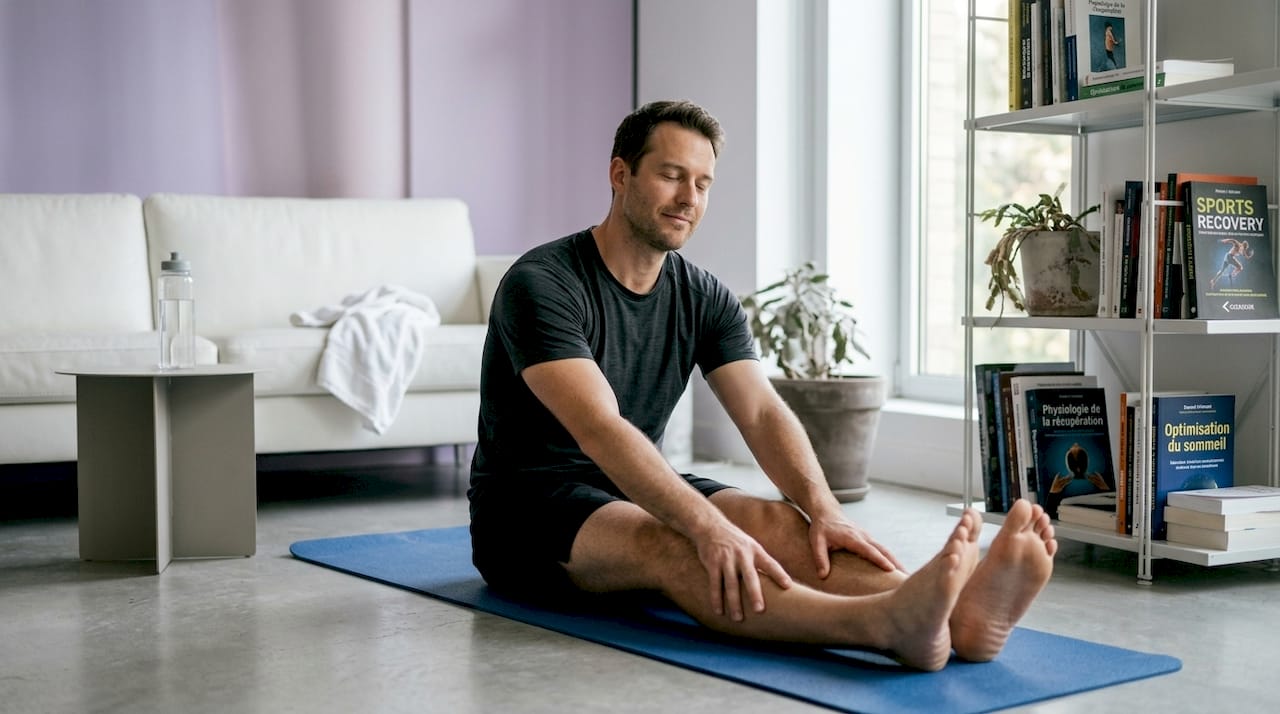
Active recovery means 10 to 20 minutes of light walking, low-intensity cycling or yoga after an intense session. It maintains blood circulation, speeds up the elimination of metabolic waste such as lactate, and reduces muscle stiffness without creating extra stress.

Self-massage and foam rolling are probably the most accessible and most effective tools. Massage significantly reduces soreness, cryotherapy targets inflammation, while stretching alone remains of little use for reducing post-exercise pain. A study on inflammation confirms the anti-inflammatory effect of massage on biological markers after intense exercise.
Cryotherapy, a cold bath between 10 and 15°C for 10 to 15 minutes, reduces acute inflammation and perceived pain. It is especially useful after high-volume sessions or competitions. Be careful: used too regularly, it can hinder long-term muscle adaptations.
Stretching, for its part, is overrated. The average difference in post-exercise pain is only -0.52 out of 100 with stretching. In other words, its effect on soreness is virtually nil. It has its place for mobility, not for muscle recovery.
| Technique | Effectiveness on DOMS | Accessibility | Recommended frequency |
|---|---|---|---|
| Foam rolling | High | Very accessible | After every session |
| Cold bath | Moderate to high | Accessible | 1 to 2 times per week |
| Active recovery | Moderate | Very accessible | After every session |
| Stretching | Low | Very accessible | For mobility only |
To optimise post-workout circulation, combine active recovery and massage within the two hours following exercise.
Pro tip: After an intense session, favour massage or a cold bath over spending 20 minutes stretching. You'll recover better and faster.
Planning rest time: avoiding overtraining
Knowing when to stop is just as important as knowing how to train. Overtraining isn't reserved for elite athletes. An amateur who trains 5 times a week without planning rest phases can easily fall into this trap.
The optimal recovery time is 24 to 72h depending on the fibres worked, and can reach 96h for heavy compound exercises like the squat or the deadlift. This isn't laziness, it's physiology.
Here's how to organise your weeks according to the type of effort:
- Isolation exercises (biceps curl, triceps extension): 24 to 48h of rest between two sessions for the same muscle group.
- Moderate compound exercises (rowing, bench press): 48 to 72h recommended.
- Heavy compound exercises (heavy squat, deadlift): 72 to 96h minimum.
- Team sports or intense cardio: 48h before a new high-intensity session.
"Recovery is not the absence of training. It is an integral part of the adaptation process."
The warning signs of overtraining are clear: loss of performance over several consecutive sessions, chronic fatigue that doesn't go away with rest, irritability, sleep disturbances and an elevated resting heart rate. A recent meta-analysis confirms that these markers are reliable for detecting an overload state before injury.
| Age group | Muscle recovery | Recommendation |
|---|---|---|
| 25 to 35 years | 48 to 72h standard | 3 to 4 sessions per week |
| 35 to 45 years | 72 to 96h for heavy efforts | 3 sessions per week max |
After 40, recovery naturally slows down. It's not inevitable, but it does mean adjusting volume and intensity. Check out our recovery and circulation guide to adapt your schedule to your profile.
Supplements: useful or superfluous for the amateur?
The sports supplement market is worth billions. But for an amateur who eats properly, the majority of supplements are superfluous. A few exceptions deserve attention.
Creatine is the best-documented supplement in sport. It improves strength and power and speeds up recovery between sessions. Effective dose: 3 to 5g per day, with no loading phase necessary. Creatine, omega-3, magnesium and BCAAs have real scientific support, but nutrition remains the priority.
Omega-3 reduces muscle inflammation and improves insulin sensitivity. 2 to 3g per day of EPA and DHA is enough. Prefer food sources such as salmon or sardines where possible.
Magnesium supports muscle relaxation, reduces cramps and improves sleep quality. Many amateurs are deficient without knowing it. A study on protein also recalls the importance of sufficient protein intake before turning to supplements.
BCAAs are relevant mainly in a calorie deficit or for athletes who train fasted. They can significantly reduce soreness in those contexts. Otherwise, if you eat enough protein, BCAAs don't add much. Well-chosen supplements can support recovery, but they never replace a structured diet.
| Supplement | Main benefit | Relevance for the amateur |
|---|---|---|
| Creatine | Strength and recovery | High |
| Omega-3 | Anti-inflammatory | High |
| Magnesium | Sleep and cramps | Moderate to high |
| BCAA | Soreness reduction | Moderate (if in a calorie deficit) |
| Whey protein | Muscle synthesis | High if intake is insufficient |
To boost your recovery sustainably, always start by optimising your nutrition before investing in supplements.
Pro tip: Before buying a new supplement, check whether your diet already covers your needs in protein, carbohydrates and micronutrients. Most of the time, a better post-workout meal beats a tub of BCAAs.
What amateur athletes often forget
There's a strong tendency among amateur athletes to look for the secret technique, the revolutionary gadget, the champions' protocol. People buy massage rollers, sign up for cryotherapy sessions, order supplements by the dozen. Meanwhile, they sleep 6 hours, skip the post-workout meal and juggle chronic stress at work.
The reality is that prioritising the basics like sleep, nutrition and hydration beats all the gadgets combined in effectiveness. It's not glamorous to say, but the data is clear. The stretching myth is the perfect example: generations of athletes spent 20 minutes stretching after every session, convinced it was essential. Cochrane studies show that the effect on soreness is negligible.
What really makes the difference is consistency and organisation. Planning your recovery windows the way you plan your sessions, that's true discipline. A recovery-organisation guide can help you structure this approach week by week.
Pro tip: Every Sunday, plan both your sessions AND your recovery days for the week ahead. Treat those rest windows as non-negotiable appointments.
Optimise your recovery with Restex Recovery solutions
Once your foundations are solid, with sleep, nutrition and hydration dialled in, it becomes worthwhile to add mechanical tools to go further. The Restex Recovery pressotherapy boots are designed for exactly this moment. After an intense session, 20 to 30 minutes in the Restex pressotherapy boots stimulate lymphatic and venous circulation thanks to 6 overlapping chambers of sequential compression, from the feet up to the thighs. It's the progressive drainage that sports clinics use, made accessible at home. CE/ISO/ROHS certified with a 2-year warranty, they offer 6 programmes to suit your needs — from light post-cardio recovery to intensive drainage after a strength session. Discover the Restex Recovery boots →
To go further:
- Running recovery: the role of pressotherapy
- The best tips for leg recovery
- Mechanical lymphatic massage: the complete guide
Frequently asked questions about muscle recovery
How long does it take to recover after an intense session?
It generally takes 48 to 96h depending on the intensity and the muscle group. For heavy compound exercises like the squat or the deadlift, aim for 72 to 96h before working those muscles again.
Is stretching mandatory to avoid soreness?
No. Post-workout stretching doesn't significantly reduce soreness and doesn't improve performance. It remains useful for mobility, not for muscle recovery.
What are the best supplements for recovery?
Creatine, omega-3, magnesium and BCAAs can help, but nutrition remains the priority. Optimise your meals first before investing in supplements.
Does sleep influence muscle repair?
Yes, strongly. 7 to 9 hours of sleep per night are essential for growth hormone to do its job of muscle repair. It's the most powerful and least expensive lever in your recovery.

Bottes Restex Recovery.
Les techniques décrites dans cet article — 6 chambres chevauchantes, compression séquentielle, 30 minutes depuis votre canapé.
Discover the boots