TL;DR:
- Fluid retention and venous stagnation cause leg swelling at the end of the day.
- Adopting simple habits like walking, elevating your legs and limiting salt provides quick relief.
- Consistency in your habits is essential for lasting relief and preventing complications.
Your legs feel heavy, tense, sometimes visibly swollen by the end of the day. This isn't inevitable, and you're not alone: 30% of women over 35 experience this daily discomfort, often without really understanding the causes. The good news is that solutions exist, simple to implement and quickly effective. In this article, we guide you step by step: first to understand what's happening in your body, then to take action this very evening, with practical measures and validated long-term strategies.
Key takeaways
- Evening leg swelling comes from gravity-driven venous stasis and fluid retention that build up over the day.
- Hormonal shifts between 35 and 55 make women more prone to water retention; heat, salt and a sedentary lifestyle make it worse.
- Walking, elevating your legs, cutting salt and staying hydrated bring visible relief within two to four days.
- Sudden, one-sided or painful swelling warrants prompt medical advice; consistency beats one-off intensive fixes.
Why your legs swell in the evening: understanding the mechanisms
Now that you know what you're experiencing, let's understand together why this problem occurs.
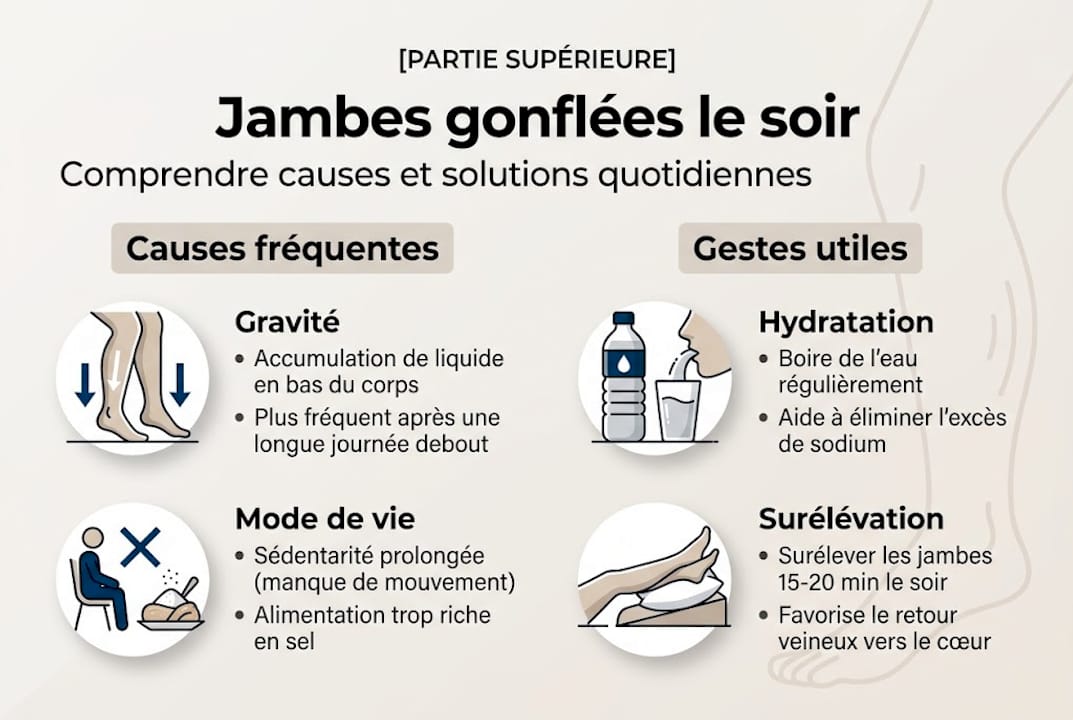
It all starts with gravity. Standing or sitting all day, your body struggles to pump blood from your legs back to your heart. When this venous return is insufficient, fluids accumulate in the tissues of your lower limbs. This is what's called venous stasis, a phenomenon that worsens hour by hour. The result at the end of the day: swollen ankles, a feeling of heaviness, sometimes slight pain.
Hormones also play a major role. Between 35 and 55, fluctuations in oestrogen and progesterone alter how your body manages fluids. The contraceptive pill can also accentuate this phenomenon. Menopause and water retention are closely linked: when hormone levels drop or fluctuate, blood vessels become more permeable and allow more fluid to seep into the tissues.
The most common aggravating factors:
- Prolonged sedentary lifestyle (desk, car, sofa)
- External heat or excessive heating
- Diet too high in salt
- Excess weight
- Standing still for long hours
- Taking certain medications (including the pill)
| Factor | Effect on legs | Impact level |
|---|---|---|
| Gravity | Fluid accumulation | High |
| Heat | Vein dilation | High |
| Excess salt | Increased water retention | Medium to high |
| Sedentary lifestyle | Circulatory slowdown | High |
| Hormones | Vascular permeability | Medium |
Remember: progressive swelling at the end of the day, symmetrical and that disappears after a night lying down, is generally benign. But sudden swelling, unilateral or accompanied by pain warrants prompt medical consultation.
To go further on this subject, find our practical advice on water retention with approaches adapted to your daily life.
Equipment and prerequisites for tackling water retention
To act effectively, here's what you need to prepare and the mistakes to avoid.
Before applying the solutions, you need to ensure you have the right tools and habits in place. No need to invest heavily: most resources are accessible, even free. What matters is consistency, not complexity.
What you need:
- A bottle of water of at least 1.5 litres per day
- Comfortable, non-restrictive shoes
- Compression stockings (on medical advice for the correct compression level)
- Foods rich in potassium: banana, avocado, spinach
- A pillow or cushion to elevate your legs
What to avoid:
- Exceeding 5g of salt per day
- Staying immobile for more than 45 minutes at a time
- Wearing tight clothing at the ankles or thighs
- Consuming alcohol and fizzy drinks, which promote retention
| Habit | Expected result | Visible timeframe |
|---|---|---|
| Hydration 1.5L/day | Less retention | 3 to 5 days |
| Daily 20-min walk | Better circulation | From day 1 |
| Salt reduction | Less swelling | 2 to 4 days |
| Leg elevation | Rapid relief | From the first session |
| Compression stockings | Constant venous support | Gradual |
The good habits against heavy legs often begin with simple dietary and postural adjustments, well before considering medical solutions. For the essential prerequisites to know before modifying your routine, medical recommendations are clear: prevention is better than treatment.
Pro tip: incorporate natural diuretics into your diet: parsley, artichoke, dandelion and green tea help eliminate excess fluid. Also add foods rich in potassium to counterbalance the effect of salt. Discover our techniques to limit retention in daily life.
Step-by-step solutions: how to relieve and prevent swelling
Once you've gathered what you need, let's move on to the practical steps to follow to lighten your legs.
The order in which you adopt these measures matters. Start with immediate actions, then gradually integrate long-term solutions.
-
Move for 10 minutes as soon as possible. Walking, even briefly, activates the calf muscle pump and restarts circulation. Cycling and swimming are also excellent. Regular exercise is one of the most recommended approaches for combating heavy legs.
-
Elevate your legs for 15 minutes a day. Lie down and place your legs above heart level, on a cushion or against a wall. Gravity then works in your favour and drains accumulated fluids upwards.
-
Reduce salt and favour natural diuretics. Every extra gramme of salt retains approximately 100ml of water in the body. Prefer aromatic herbs to season your dishes and consume draining foods.
-
Hydrate with at least 1.5L of water per day. Counter-intuitive, but true: drinking enough helps your body eliminate excess fluid rather than store it. Recommended daily habits consistently emphasise this point.
-
Wear suitable compression stockings. On medical recommendation, they support venous return throughout the day. Compression is one of the best-documented solutions against venous insufficiency.
📊 Key figure: combining daily walking, salt reduction and sufficient hydration can visibly reduce leg swelling from the second day for the majority of women.
Pro tip: in the evening, apply a jet of cold water on your legs, from ankle to knee, for 2 minutes. This thermal contrast causes vasoconstriction and immediately relieves the feeling of heaviness. Combine it with 15 minutes of elevation to maximise the effect. Also discover our recovery tips to optimise your evening routine.
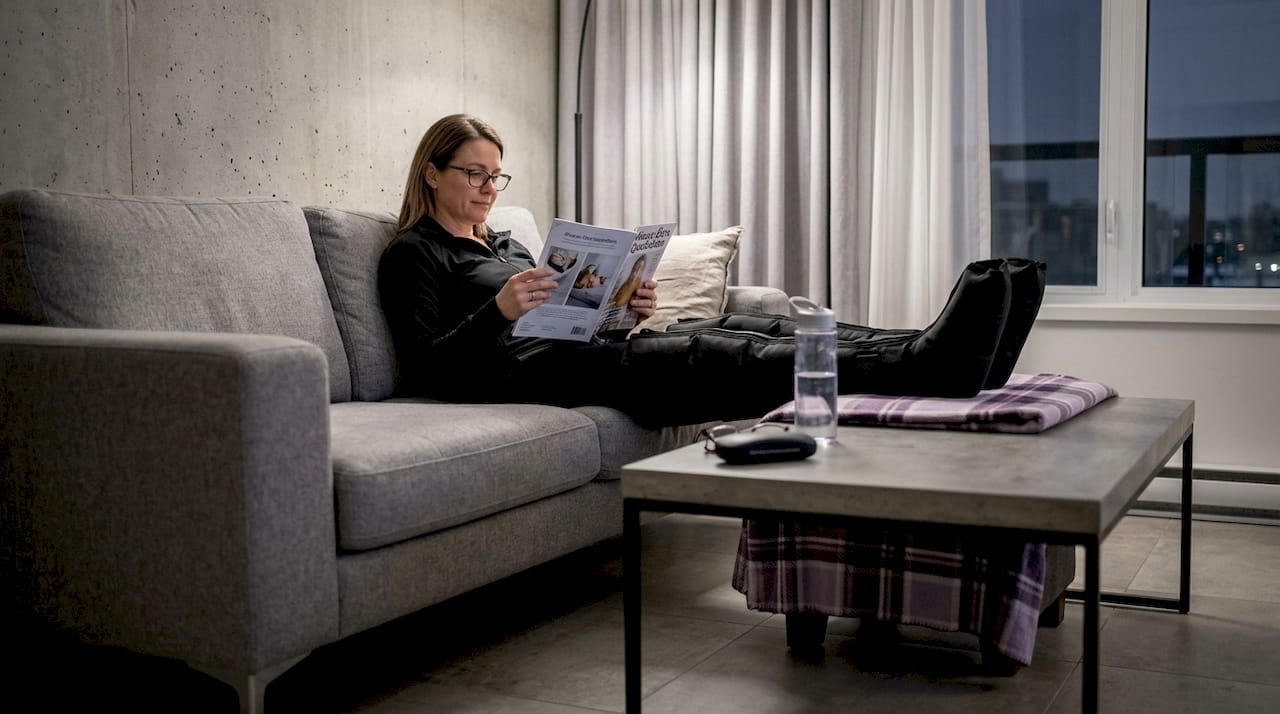
Finally, consider sequential compression for difficult evenings. A 20-minute session in gentle drainage mode, with legs elevated, mechanically stimulates lymphatic and venous return, with visible results from the second day. To learn more about how to reduce water retention in the long term, our resources are here to support you.
Recognising warning signs and adapting your routine
To avoid mistakes, it's important to know when to modify or stop your routine.
Most evening swelling is benign and responds well to the measures described above. But certain signals warrant immediate attention and must not be ignored.
Consult a doctor without delay if you observe:
- Sudden, abrupt swelling that appeared within a few hours
- Unilateral swelling (only one leg swollen)
- Intense pain in the calf, especially on pressure
- Breathlessness associated with swelling
- Red, hot or hard skin on the swollen area
- Swelling that doesn't disappear after a night's rest
These symptoms may signal a blood clot or a more serious medical cause requiring rapid management. Persistent bilateral swelling can also indicate a heart, kidney or liver problem.
Key difference: classic oedema is soft, painless, symmetrical and subsides after rest. A pathological situation generally presents at least one of these additional warning signals.
If your swelling is benign but persistent, avoid self-medication. Venotonics (medications to improve venous tone) can be useful, but only on medical recommendation. They don't replace lifestyle changes. To learn more about concerning signs and how to adapt your routine if symptoms persist, consult our specialist resources.
Adapt your routine gradually: start with one change per week to observe what really works for you. Overloading with simultaneous adjustments makes it difficult to identify what's actually effective.
Our perspective on water retention and swollen legs in the evening
To go further, it's useful to take a step back from this advice.
The truth nobody tells you frankly: the vast majority of women suffering from swollen legs seek a single, quick solution. They try a draining food supplement for ten days, see little result, and give up. This isn't a willpower problem: it's a bad starting point.
What really works is the accumulation of small consistent actions. Walking every day, even for 10 minutes. Drinking enough. Sleeping with legs slightly elevated. None of these actions alone works miracles, but together and over time, their effect becomes visible and lasting. Consistency systematically beats sporadic intensity.
The other frequent mistake: underestimating aggravating factors that accumulate silently. A salty meal here, a day without movement there, summer heat not compensated for... Each factor alone seems trivial. Combined, they explain why certain evenings are really difficult. Identifying your personal combination of trigger factors is more useful than any list of generic remedies. Consult our good recovery practices to build a coherent long-term routine.
Going further: discover adapted solutions
Finally, to complement your daily efforts, here are useful resources and products to explore.
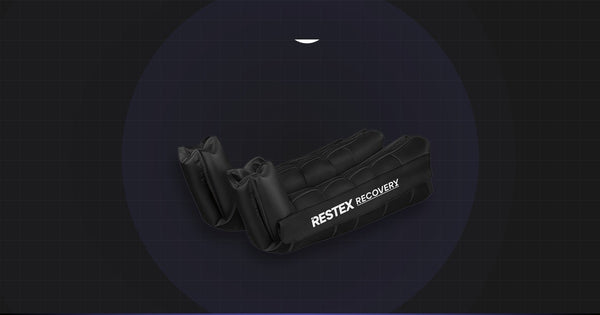
Daily habits make a real difference, but sometimes the body needs an additional mechanical boost. This is exactly where sequential compression comes in. The leg compression boots from Restex Recovery reproduce the principle of professional lymphatic drainage at home: six progressive air chambers stimulate venous and lymphatic return from ankle to thigh. Twenty minutes in the evening, in gentle drainage mode, is enough to decongest legs and reduce the feeling of heaviness. To go even further, our complete anti-retention guide brings together all the detailed strategies for lasting action.
Frequently asked questions about water retention and swollen legs
Why do my legs swell more in the evening than in the morning?
Daytime venous stasis accumulates throughout the day under the effect of gravity, which promotes evening swelling, especially in cases of venous insufficiency. Overnight rest allows fluids to redistribute, hence the relief on waking.
Do hormones really influence water retention in women?
Yes, hormonal fluctuations related to the menstrual cycle and menopause make women aged 35 to 55 more prone to water retention. The contraceptive pill can significantly amplify this phenomenon.
What simple actions can relieve my swollen legs?
Move regularly, elevate your legs and limit salt; wear compression stockings on prescription if necessary. These three combined adjustments produce visible results in two to four days.
When should I consult a doctor?
Consult in case of sudden, persistent swelling or associated with significant pain or breathlessness: these signs may indicate a serious medical cause requiring rapid management.
The at-home solution
Restex Recovery Boots
Professional lymphatic drainage at home, without appointments. OptiFlow technology with 6 overlapping air chambers, 6 programmes, quiet (<40 dB), wireless with 2 to 4 h battery life. CE/ISO/ROHS certified, 2-year warranty.

Bottes Restex Recovery.
Les techniques décrites dans cet article — 6 chambres chevauchantes, compression séquentielle, 30 minutes depuis votre canapé.
Discover the boots